
128 S Locust St, Pana, IL 62557

Rebuilding Strength for Damaged Teeth
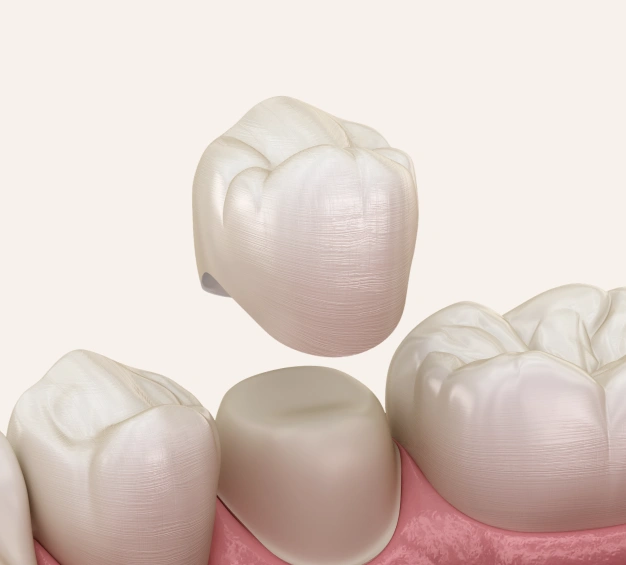
A tooth that's been weakened by decay, a large filling, or a fracture often can't hold up to everyday chewing on its own. At Pana Family Dental in Pana, dental crowns address this by covering the entire visible portion of a tooth with a custom-shaped restoration, rebuilding both its structure and its ability to function normally.
Rather than removing a compromised tooth altogether, a crown works by reinforcing what's already there, protecting it from further damage while restoring a natural bite. Made to match the shape, size, and color of surrounding teeth, a well-fitted crown blends into a smile rather than standing out from it.
Schedule a Crown Consultation
The Benefits of Dental Crowns
A dental crown does more than cover a damaged tooth. It restores the tooth's role in everyday function while protecting it from the risk of further breakdown. Here's what makes crowns a reliable long-term solution:
- Restores full chewing function: A crown rebuilds a tooth's strength, allowing it to handle normal biting and chewing pressure again.
- Protects a weakened tooth: Covering a fractured or heavily decayed tooth helps prevent further cracking or breakdown.
- Natural, custom-matched appearance: Crowns are shaped and shaded to blend seamlessly with surrounding teeth.
- Long-term durability: With proper care, a crown can hold up for many years of daily use.
- Supports other treatments: Crowns are often used following root canal therapy to protect and strengthen the treated tooth.
- Preserves the natural tooth: In many cases, a crown allows a damaged tooth to be saved rather than extracted.
Great Candidates for a Dental Crown
A dental crown can help restore a tooth that has lost significant strength, structure, or function due to damage, decay, or previous dental treatment. Crowns are custom-made to fit over the remaining tooth, providing added support while restoring its shape and appearance. Depending on the condition of the tooth, a crown may be recommended for:
- Patients with a tooth that's cracked, fractured, or severely worn down
- Anyone with a large filling that no longer has enough support from the natural tooth
- Patients who've had root canal therapy and need to protect the treated tooth
- Individuals with a tooth weakened by extensive decay
- Patients seeking a natural-looking way to restore a damaged tooth's appearance
How a Dental Crown Is Placed
Getting a dental crown involves several carefully planned steps to ensure the restoration fits securely, functions comfortably, and complements the surrounding teeth. While the process commonly involves two visits, the exact timeline can vary depending on the tooth and type of crown selected. The process typically includes:
Materials Used for Dental Crowns
Dental crowns are available in several materials, allowing the restoration to be selected based on factors such as the tooth's location, functional demands, appearance, and overall oral health. Each material offers a different balance of aesthetics, strength, and durability, so the dentist can help determine which option is most appropriate for the individual tooth.
- Porcelain crowns: Provide a natural, tooth-like appearance well suited for front teeth and highly visible areas.
- Porcelain-fused-to-metal crowns: Combine a strong metal base with a porcelain outer layer for added durability.
- All-ceramic crowns: Offer a strong, metal-free option with a natural look and reliable performance.
Give a Damaged Tooth the Support It Needs
A dental crown offers a reliable way to rebuild strength and restore appearance without removing the natural tooth. Addressing damage early helps avoid more involved treatment later.
Book Your Crown Appointment