
128 S Locust St, Pana, IL 62557

An Extra Layer of Protection Against Cavities
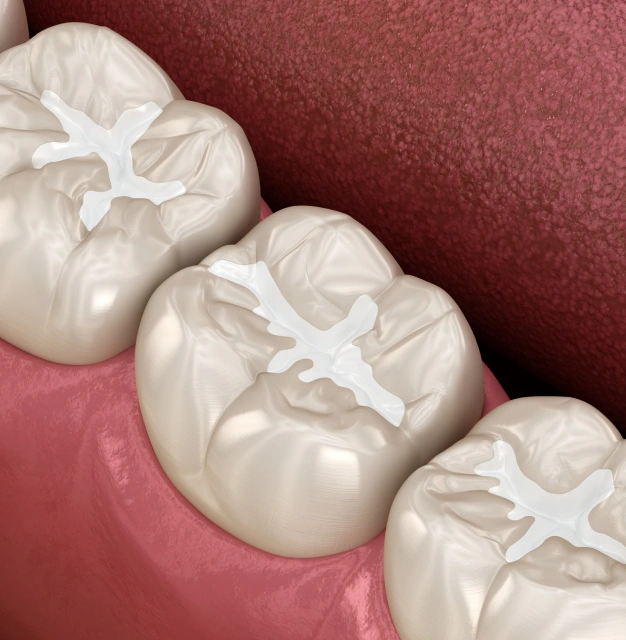
Molars and premolars are covered in tiny grooves and pits that are hard to keep clean, even with careful brushing. Food particles and bacteria settle into these crevices, and over time, that buildup can lead to decay in some of the most cavity-prone teeth in the mouth. At Pana Family Dental in Pana, dental sealants address this problem directly by sealing off those grooves with a smooth, protective barrier.
The treatment itself is quick, comfortable, and requires no drilling or numbing. A thin resin coating is applied directly to the chewing surface of the tooth, where it bonds and hardens to create a barrier between the tooth enamel and the food, plaque, and bacteria that would otherwise settle into those grooves. It's a simple, proactive step our team offers to meaningfully reduce the risk of cavities in the teeth that need it most.
Ask About Dental Sealants
Benefits of Sealants
Sealants offer more than a single advantage; they bring together simplicity, comfort, and long-term protection in one quick treatment. Here's what makes them a valuable addition to a preventive care routine:
- Targeted cavity prevention: Sealants protect the deep grooves in molars and premolars that brushing alone often can't fully clean.
- Quick and comfortable: Application typically takes just a few minutes per tooth, with no shots or drilling involved.
- Long-lasting protection: With proper care, sealants can hold up for several years before needing reapplication.
- A proactive, low-cost preventive step: Sealants are far simpler and less invasive than treating a cavity after it forms.
- Painless application process: There's no discomfort during or after treatment, making it an easy addition to a regular checkup.
- Suitable for kids and adults: While often associated with childhood dental care, sealants can benefit anyone with deep grooves in their molars.
Is This Treatment Right for You?
Sealants are most commonly recommended once permanent molars come in, typically between ages six and twelve, since these teeth are at the highest risk for developing groove-related decay early on. That said, sealants aren't limited to children. You or your child may be a good candidate if permanent molars or premolars have deep pits and grooves, there's no existing decay or fillings in the tooth being considered, cavities have developed on chewing surfaces in the past, brushing alone hasn't been enough to keep back teeth cavity-free, or a proactive approach to cavity prevention is simply a priority. A quick evaluation during a routine visit is the best way to determine whether sealants make sense for specific teeth and oral health history.
How Dental Sealants Are Applied
Getting sealants placed is a straightforward, single-visit process. Here's what to expect:
Simple Steps to Keep Sealants Effective
Once sealants are in place, keeping them effective doesn't call for a special routine, just a few consistent habits that protect the investment and keep decay at bay:
- Keep up regular brushing and flossing: Sealants protect chewing surfaces, but the rest of the tooth still needs consistent daily care.
- Avoid chewing on hard objects: Ice, pens, and other hard items can chip or wear down the sealant material prematurely.
- Attend routine checkups: Sealants are checked at regular visits to confirm they're still intact and functioning properly.
- Watch for changes: If a sealant feels rough, chipped, or has come loose, it's worth having it evaluated sooner rather than later.
Most sealants remain effective for several years, though this varies depending on chewing habits and how well they're maintained. Reapplication is simple if a sealant does wear down over time.
Give Back Teeth the Protection They Need
Cavities in molars often develop in places that are hardest to clean and easiest to overlook. Sealants offer a simple, proactive way to close that gap before decay has a chance to start.
Schedule a Sealant Consultation