
128 S Locust St, Pana, IL 62557

Closing the Gap Left by Missing Teeth
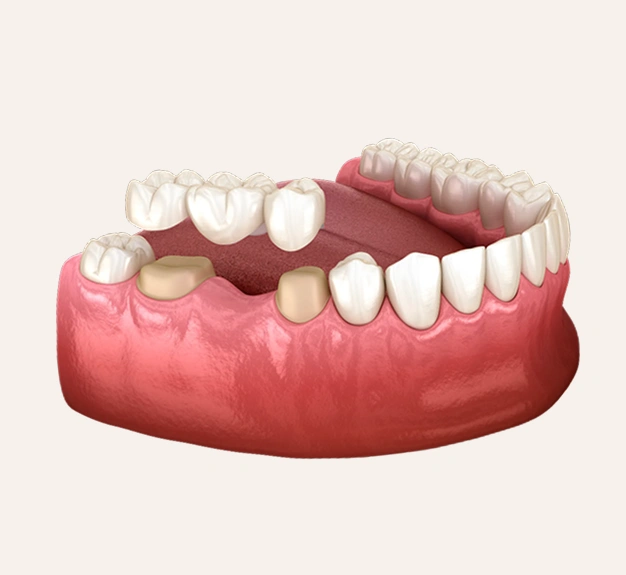
A missing tooth changes more than a smile's appearance. It can shift the way surrounding teeth sit, make chewing uneven, and gradually affect the alignment of an entire bite. At Pana Family Dental in Pana, dental bridges address this directly, filling the space with a fixed restoration anchored securely to the teeth on either side.
Unlike removable options, a bridge stays permanently in place, functioning much like natural teeth during everyday biting and chewing. Custom-shaped and shaded to match the surrounding smile, a well-fitted bridge restores both function and appearance in a single, long-term solution.
Schedule a Bridge Consultation
The Benefits of a Dental Bridge
Replacing a missing tooth does more than fill a visible gap. A dental bridge helps protect the surrounding structure of the mouth while restoring a smile's natural function. Here's what a bridge offers:
- Restores a complete bite: A bridge fills the space left by a missing tooth, allowing for even, natural chewing again.
- Prevents surrounding teeth from shifting: Filling the gap helps keep neighboring teeth from drifting out of position over time.
- Fixed, permanent placement: Unlike removable options, a bridge stays securely in place without needing to be taken out.
- Natural appearance: Bridges are custom-shaded and shaped to blend seamlessly with the rest of a smile.
- Supports clear speech: Missing teeth can affect pronunciation, and a bridge helps restore normal speech patterns.
- Long-term durability: With proper care, a well-maintained bridge can last many years of daily use.
Types of Dental Bridges
Not every missing-tooth situation requires the same type of bridge. The appropriate design depends on factors such as the number and location of missing teeth, the health of the surrounding teeth, and the available support for the restoration. Common types of dental bridges include:
- Traditional bridges: Anchored to natural teeth on either side of the gap, this is the most common type of bridge.
- Cantilever bridges: Supported by a single anchor tooth, used when only one side of the gap has a suitable supporting tooth.
- Implant-supported bridges: Anchored to dental implants rather than natural teeth, often used for larger gaps or multiple missing teeth.
How a Dental Bridge Is Placed
The dental bridge process involves careful planning and precise fitting to ensure the restoration is comfortable, stable, and functional. Treatment commonly takes place over two visits, although the timeline can vary depending on the type of bridge and the condition of the supporting teeth. The process typically includes:
Ideal Candidates for a Dental Bridge
A dental bridge can replace one or more missing teeth while helping restore chewing function, speech, and the overall appearance of the smile. By filling the space left by missing teeth, a bridge can also help prevent neighboring teeth from shifting into the gap. Depending on the health of the surrounding teeth and the location of the missing teeth, a dental bridge may be suitable for:
- Patients missing one or more consecutive teeth
- Individuals with healthy, stable teeth on either side of the gap to support the bridge
- Patients looking for a fixed alternative to a removable appliance
- Anyone experiencing shifting teeth or bite changes due to a missing tooth
- Patients seeking a natural-looking way to restore a complete smile
Restore a Complete, Confident Smile
A dental bridge offers a reliable way to fill the gap left by missing teeth while protecting the health of surrounding structures. Addressing tooth loss early helps prevent further shifting and bite changes.
Book Your Bridge Appointment