
128 S Locust St, Pana, IL 62557

Rebuilding the Foundation Beneath a Smile
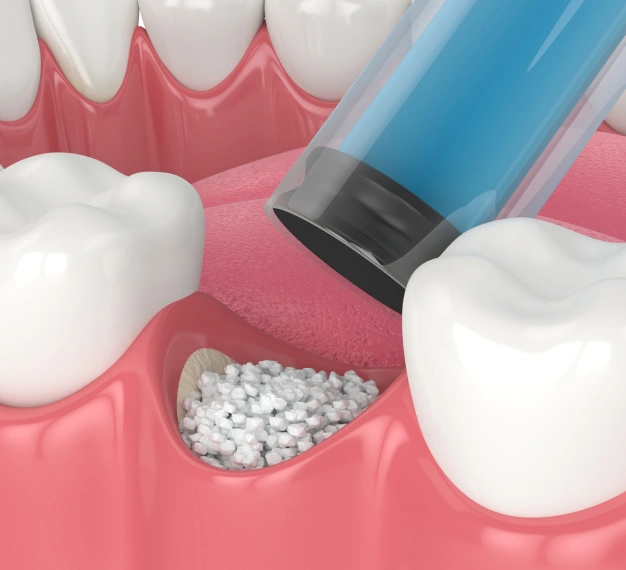
When a tooth has been missing for a while, or was lost due to infection or trauma, the jawbone in that area often begins to lose density over time. At Pana Family Dental in Pana, bone grafting addresses this by rebuilding that lost structure, restoring a stable foundation that can support future dental work.
Without sufficient bone density, certain treatments, particularly dental implants, may not have the support they need to succeed long-term. Bone grafting fills that gap, using grafting material to encourage new bone growth in the area, creating the strength and volume needed for successful restoration.
Schedule a Bone Grafting Consultation
How Bone Grafting Helps Preserve Jaw Structure
Bone grafting can restore lost jawbone volume and create a stronger foundation for future restorative treatment. Whether bone loss has occurred after tooth loss, infection, or another dental concern, rebuilding the area can support both oral function and the surrounding facial structure. Depending on your needs, bone grafting may offer several benefits:
- Restores lost bone volume: Grafting rebuilds density in areas where bone has diminished due to tooth loss or infection.
- Prepares the jaw for implants: Sufficient bone structure is essential for implants to integrate successfully and function long-term.
- Supports facial structure: Rebuilding jawbone helps maintain the natural shape and support of the surrounding facial tissue.
- Prevents further bone loss: Addressing diminished density early can help stop the progression of bone loss in that area.
- Improves treatment outcomes: A stronger foundation increases the likelihood of long-term success for future restorative work.
- Customized to the treatment area: Grafting material and technique are selected based on the specific location and extent of bone loss.
When Is Bone Grafting Recommended?
Bone grafting may be recommended when the jaw does not have enough bone volume to support a dental implant or another planned restoration. This may include patients who have experienced bone loss after losing a tooth, have reduced bone density identified during an implant evaluation, or have bone loss associated with gum disease.
Grafting may also be considered following a tooth extraction when preserving bone in the area is important for future treatment. For patients planning dental implants or other restorative procedures, the dentist can evaluate the jawbone with appropriate imaging to determine whether additional bone support is needed before moving forward.
Types of Dental Bone Grafts
Different bone grafting materials can be used to rebuild areas of the jaw where bone volume has been lost. The appropriate option depends on factors such as the location and extent of bone loss, the planned dental treatment, and individual oral health needs. Common types of dental bone graft materials include:
- Autograft: Bone is taken from another area of the patient's own body and placed in the treatment site to support new bone formation.
- Allograft: Donor bone from a carefully processed human tissue source is used to provide a framework for new bone growth.
- Xenograft: Bone material derived from an animal source is specially processed for use as a scaffold that supports natural bone development.
- Synthetic graft: Biocompatible, laboratory-made materials can be used to encourage bone regeneration without relying on human or animal donor tissue.
The dentist will evaluate the treatment area and recommend an appropriate grafting material based on the amount of bone support needed and the goals of future treatment.
Steps Involved in Bone Grafting
The bone grafting process is carefully planned to address the specific location and extent of bone loss. After evaluating the area, the dentist places grafting material where additional support is needed, allowing the body time to develop new bone and strengthen the treatment site. The procedure generally involves these steps:
Recovering After Bone Grafting
Proper aftercare is essential for protecting the grafted area while it heals and integrates with the surrounding jawbone. Following the dentist's recovery instructions can help minimize irritation, support healing, and prepare the area for any future restorative treatment. Important recovery steps include:
- Follow prescribed rest guidelines: Limiting strenuous activity in the days following the procedure supports proper healing.
- Manage swelling as needed: A cold compress applied to the outside of the treatment area can help reduce swelling.
- Stick to soft foods initially: Avoiding pressure on the grafted area helps protect it during the early healing stages.
- Attend all follow-up appointments: Periodic evaluation helps confirm the graft is integrating as expected before further treatment.
Build a Strong Foundation for Future Treatment
Bone grafting offers a reliable way to rebuild jawbone density, creating the support needed for successful long-term restorative work. A stable foundation makes all the difference for future treatment outcomes.
Book Your Bone Grafting Consultation